Audience and tone
Much of what you write and how you organize it depends on your audience, and the tone you choose has much to do with what you convey. A letter of complaint has a tone far different from a grant proposal; a set of instructions for changing the oil in a car demands a different design and layout from a formal report on cleaner oil exchange systems.
- Use headings and sub-headings to move your audience from one section to another.
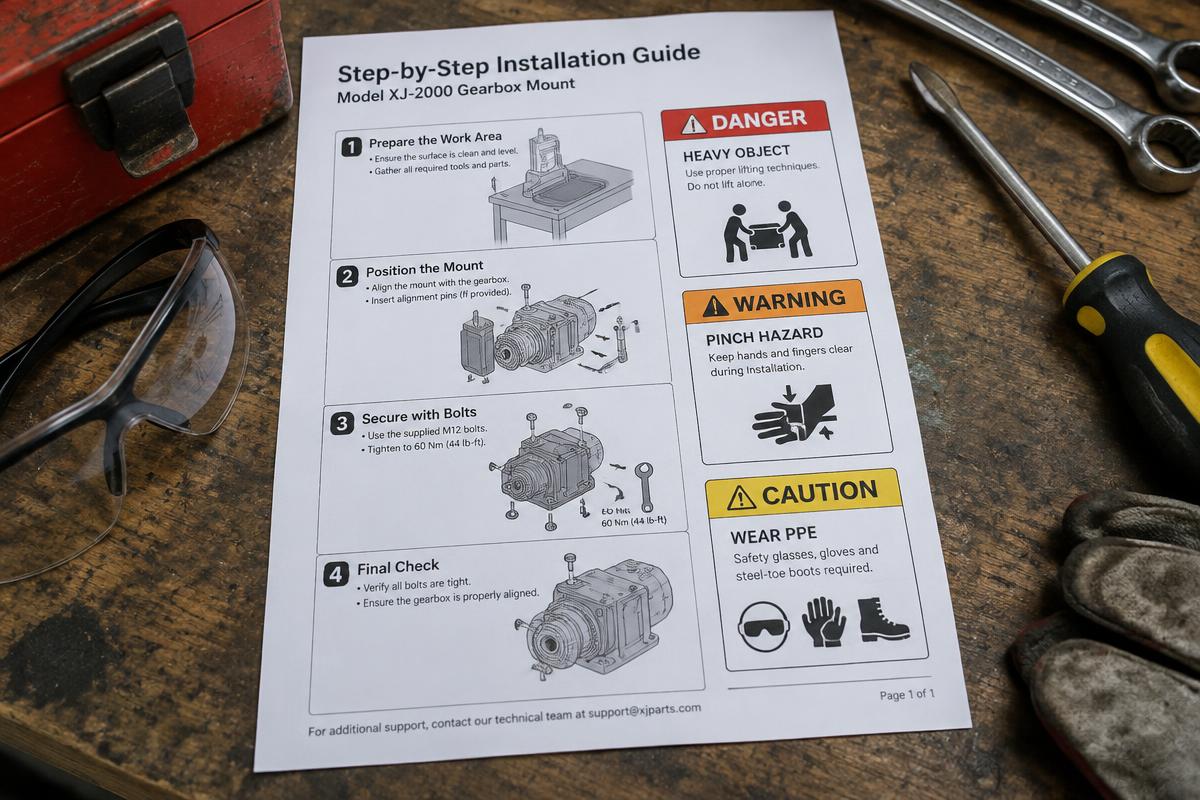
- When writing instructions and directions, include a detailed, numbered, logical sequence for completing the task.
- If you write documents that require analysis — textbooks, engineering and employee reports — include a checklist of criteria used for that analysis.
- Before you begin writing, identify your purpose, your audience, and your goal.
- Determine who requested the document, and why.
- Identify the expertise of the audience. What do they already know?
- Ascertain what the audience needs to know and how to present it.
- Make sure you know any deadline for the project.
Note
- You can be held liable for faulty information ending in personal injury or loss of property.
Writing instructions
The first step in writing instructions is to become thoroughly familiar with the procedure so you can write with authority. Then take on the role of the readers who must follow the steps.
- Organizing information
- Use a task sheet for each step or category of the project, divided into sections for the objective of the step, any graphics, and warnings or precautions that apply. It also includes space for composing the step itself and a small section for numbering each step.
- Graphics
- More than any other form of technical writing, instructions and procedural guidelines require adequate graphics to clarify the written information. Depending on difficulty, diagrams can accompany each step or illustrate a single object or step.
Precautions
Precautions fall into three categories. Highlight them for emphasis, and use color if possible.
- Caution
- Indicates potential damage to equipment and materials.
- Warning
- Indicates potential injury to people involved in the project or people nearby.
- Danger
- Indicates potentially life-threatening situations to people involved in the project or nearby.
Note
- Technical writers can be held liable for injury, loss of property, or loss of life due to faulty instructions or lack of necessary precautions.
Guidelines for instructions
- Divide your material into easily accomplished steps. Give readers only what they need for each step.
- Do an audience analysis to determine the level to write at.
- Simplify instructions written for consumers. Assume a fifth-grade reading level.
- When you come to a difficult or complex section, add more steps if necessary.