
PART ONE
Operations Management Fundamentals
What operations management is, how goods differ from services, and how inputs become the value your customers pay for.
Read part one
A study reference for the work behind the work: how a business turns labor, materials, and time into products and services customers pay for — and how to measure and improve it.
Each part is a self-contained reference with definitions, formulas in call-out boxes, and worked examples you can follow with your own numbers. Read straight through as a course, or jump to the part that matches the decision in front of you. Every page carries the full contents list so you can move between topics.
What operations management is, how goods differ from services, and how inputs become the value your customers pay for.
Read part one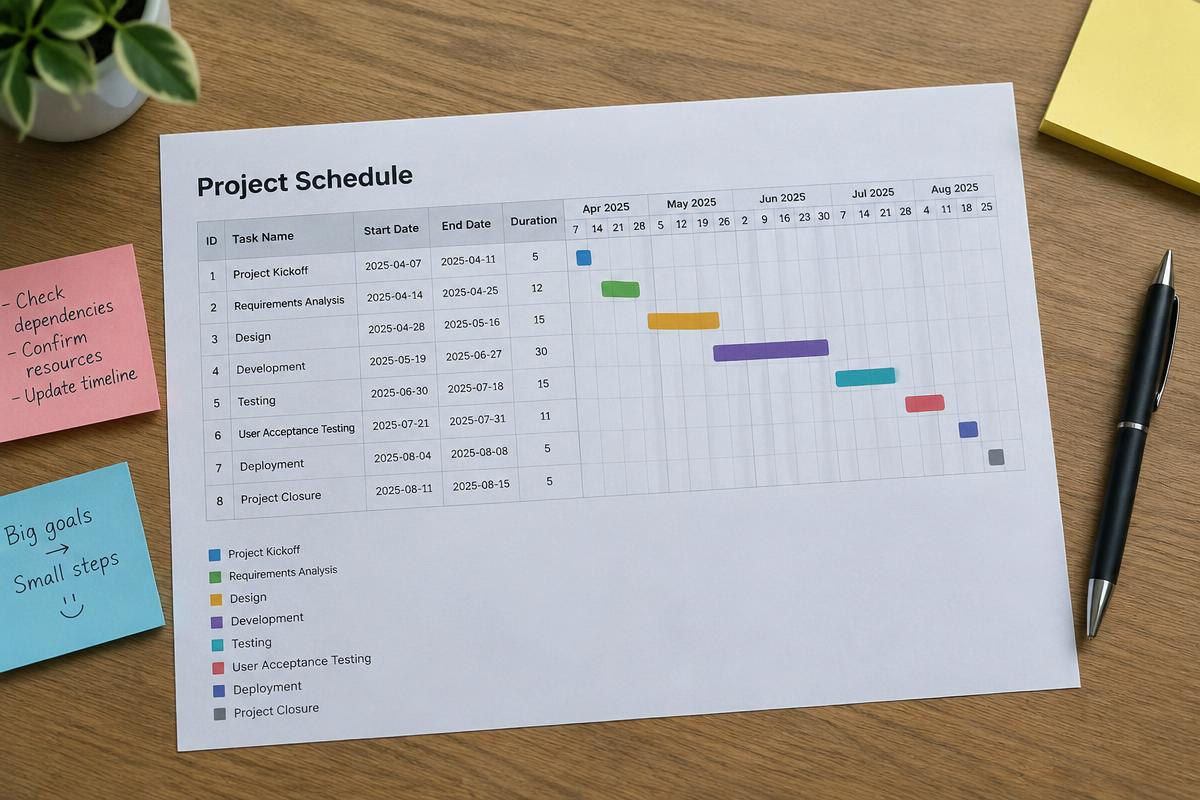
Scope, time, and cost goals; activity networks; earliest and latest times; the critical path; slack; and crashing a schedule.
Read part two
Process types and layouts, design versus effective capacity, utilization and efficiency, planning horizons, and lead or lag strategies.
Read part three
What quality means, the eight dimensions of product quality, the five dimensions of service quality, and the four costs of quality.
Read part four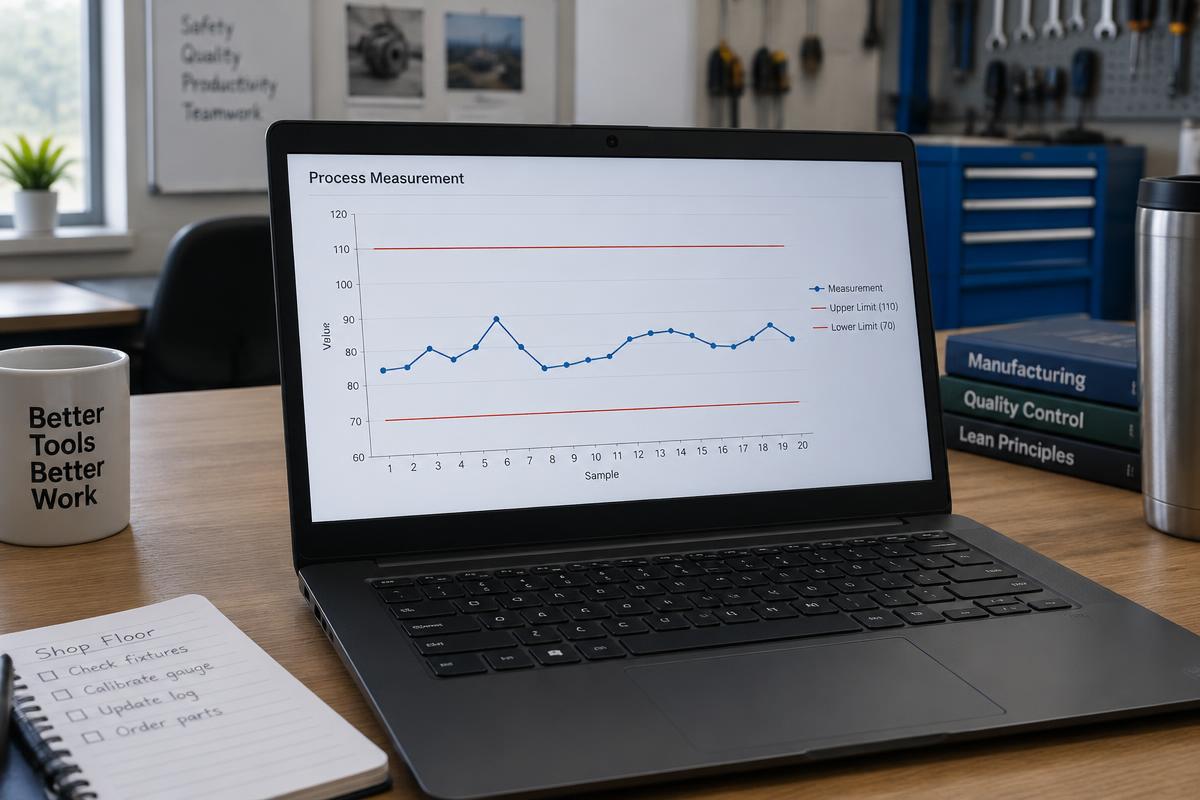
Common versus assignable variation, control charts for means, ranges, and proportions, plus Pareto analysis and process capability.
Read part five
Supply chain roles, third-party logistics, supply-chain risk, purchasing ethics, and how to choose a location.
Read part six
Qualitative and quantitative methods, time series components, moving averages and exponential smoothing, trend projection, and forecast error.
Read part seven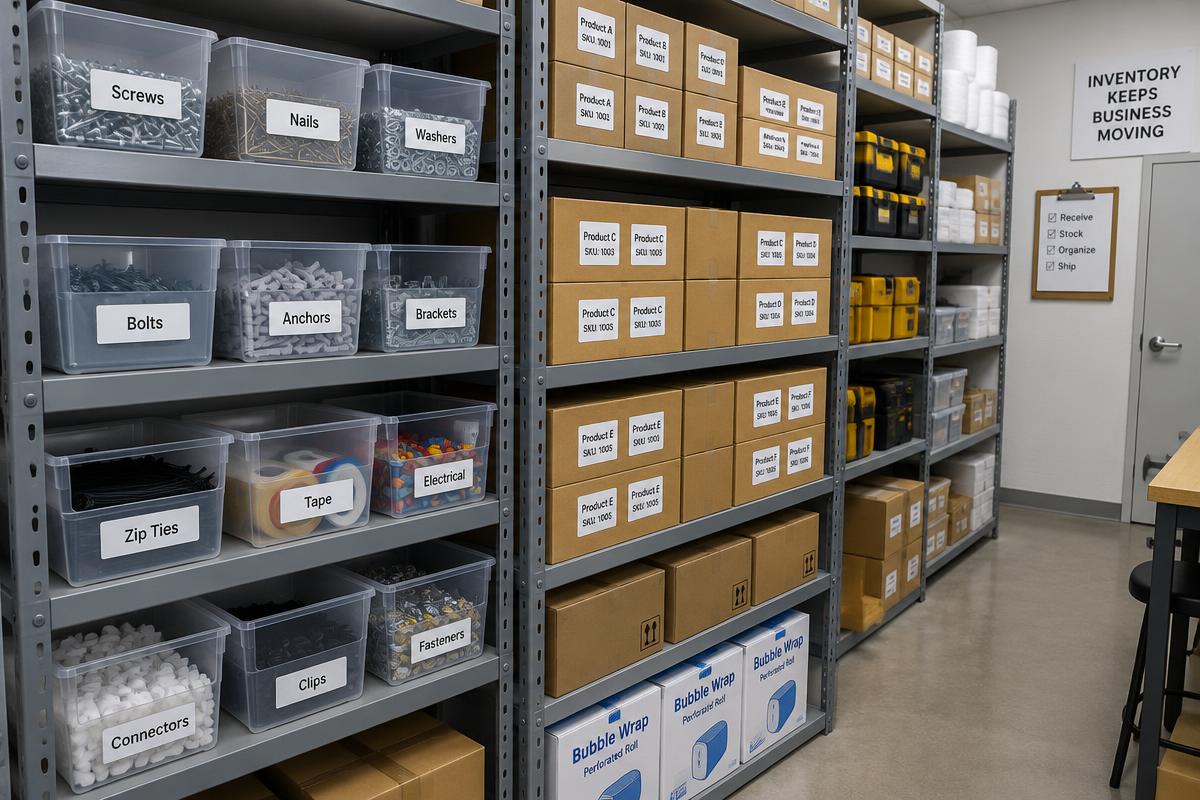
Why inventory is held, ordering and holding costs, economic order quantity, reorder point, safety stock, and ABC analysis.
Read part eightBaltimore resource partners offer free coaching on operations, quality, purchasing, and inventory for small businesses.