Defining quality
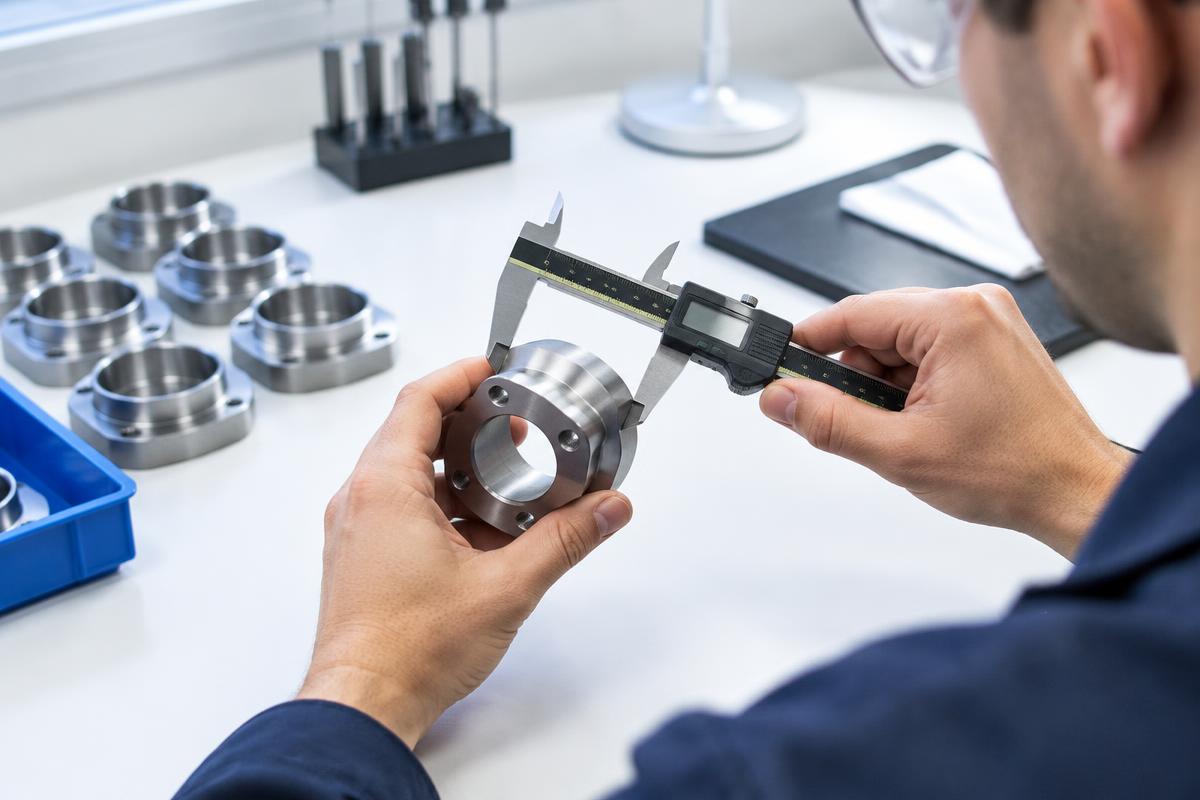
Quality is the ability of a product or service to meet or exceed customer expectations. Two views operate at once: quality of design (does the offering have the features customers want?) and quality of conformance (does each unit match its specification?).
The eight dimensions of product quality
- Performance
- The primary operating characteristics.
- Features
- Secondary characteristics that supplement performance.
- Reliability
- Probability of working without failure over time.
- Conformance
- Degree to which the unit matches its specification.
- Durability
- Useful life before replacement.
- Serviceability
- Speed, courtesy, and competence of repair.
- Aesthetics
- Look, feel, sound, taste, and smell.
- Perceived quality
- Reputation and brand inference when direct evidence is scarce.
The five dimensions of service quality
- Reliability
- Performing the promised service dependably and accurately.
- Responsiveness
- Willingness to help and provide prompt service.
- Assurance
- Knowledge and courtesy of staff, and their ability to inspire trust.
- Empathy
- Individualized attention to each customer.
- Tangibles
- Appearance of facilities, equipment, personnel, and materials.
Challenges of delivering quality
- Expectations differ by customer and change over time.
- Service quality is judged during delivery, so there is no chance to inspect it out beforehand.
- Quality depends on people, training, and culture, not only on equipment.
- Suppliers control much of the incoming quality.
- Measurement is harder for intangibles than for dimensions and weights.
Total quality management
- Customer focus: quality is defined by the customer, not by the plant.
- Continuous improvement using the plan–do–check–act cycle.
- Employee involvement and empowerment to stop and fix problems.
- Supplier partnership rather than purely price-driven buying.
- Fact-based decisions using measurement and the seven basic quality tools: check sheets, histograms, Pareto charts, cause-and-effect diagrams, scatter diagrams, flowcharts, and control charts.
- Benchmarking against the best performers inside and outside the industry.
The four costs of quality
- Prevention costs
- Spending to stop defects from occurring: training, process design, supplier development, preventive maintenance.
- Appraisal (inspection) costs
- Spending to find defects: inspection, testing, audits, gauges.
- Internal failure costs
- Costs of defects found before delivery: scrap, rework, downtime, re-inspection.
- External failure costs
- Costs of defects found by the customer: warranty, returns, complaint handling, liability, lost goodwill and future sales.
External failure is the most expensive category and the hardest to measure, because lost reputation never appears on an invoice. Money moved into prevention normally reduces total quality cost.